Respecting Local Customs
Respecting local customs starts with your wardrobe. In many cultural hotspots, particularly in religious or historic sites, your attire is your first gesture of respect. Aim for modesty without sacrificing comfort.
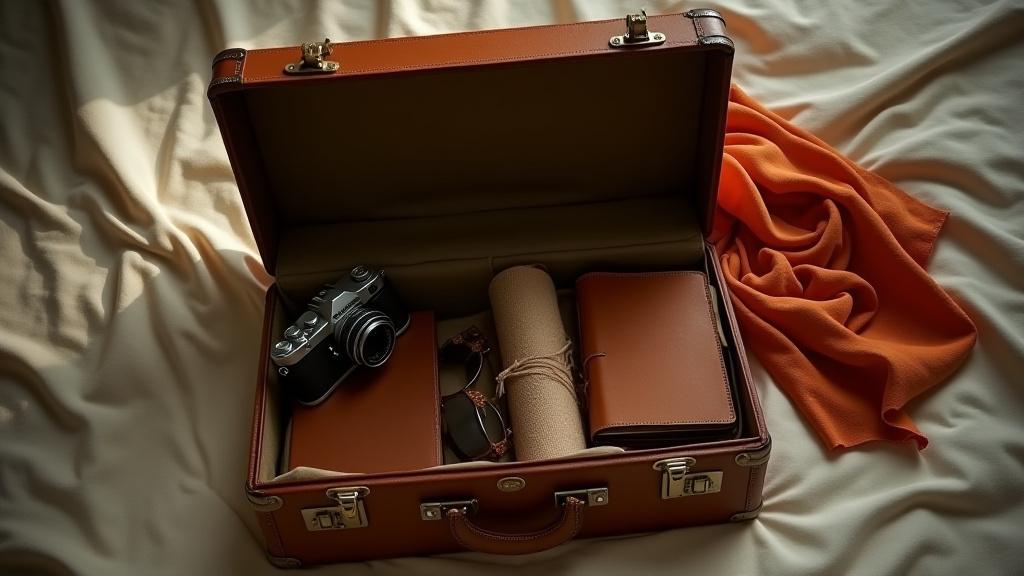
Opt for breathable fabrics like linen or cotton. A large scarf or pashmina is an essential tool; it serves as a head covering, a shoulder wrap for cathedrals, or even an impromptu picnic blanket during a long day of exploring.
The Capsule Wardrobe
Variable climates require smart layering. Instead of bulk, think versatility. A capsule approach ensures you are prepared for a morning at a museum, a breezy coastal walk, and a sophisticated evening dinner.
Footwear for Ancient Paths
Never underestimate the demands of historical tours. Whether you're navigating the cobblestones of Rome or the dirt paths of Machu Picchu, your shoes are your most critical gear. Avoid brand-new shoes; break them in at least a month before departure.
We recommend a blend of support and style: a sturdy walking sneaker for the day and a polished but comfortable loafer for urban exploration.

Capturing the Journey
While digital convenience is undeniable, the romance of travel is often found in the tactile. In addition to your high-capacity power banks and dedicated camera gear, consider the power of a physical notebook.
Traveler's Tip
"A physical journal doesn't run out of battery. It catches the ink of your impressions, the pressed petals of a park in Paris, and the wine stains of a long dinner in Tuscany."
- Power: Universal adapter and 10,000mAh Power Bank.
- Vision: Camera with an extra memory card (don't rely solely on your phone).
- Memory: Moleskine notebook and a reliable fountain or gel pen.