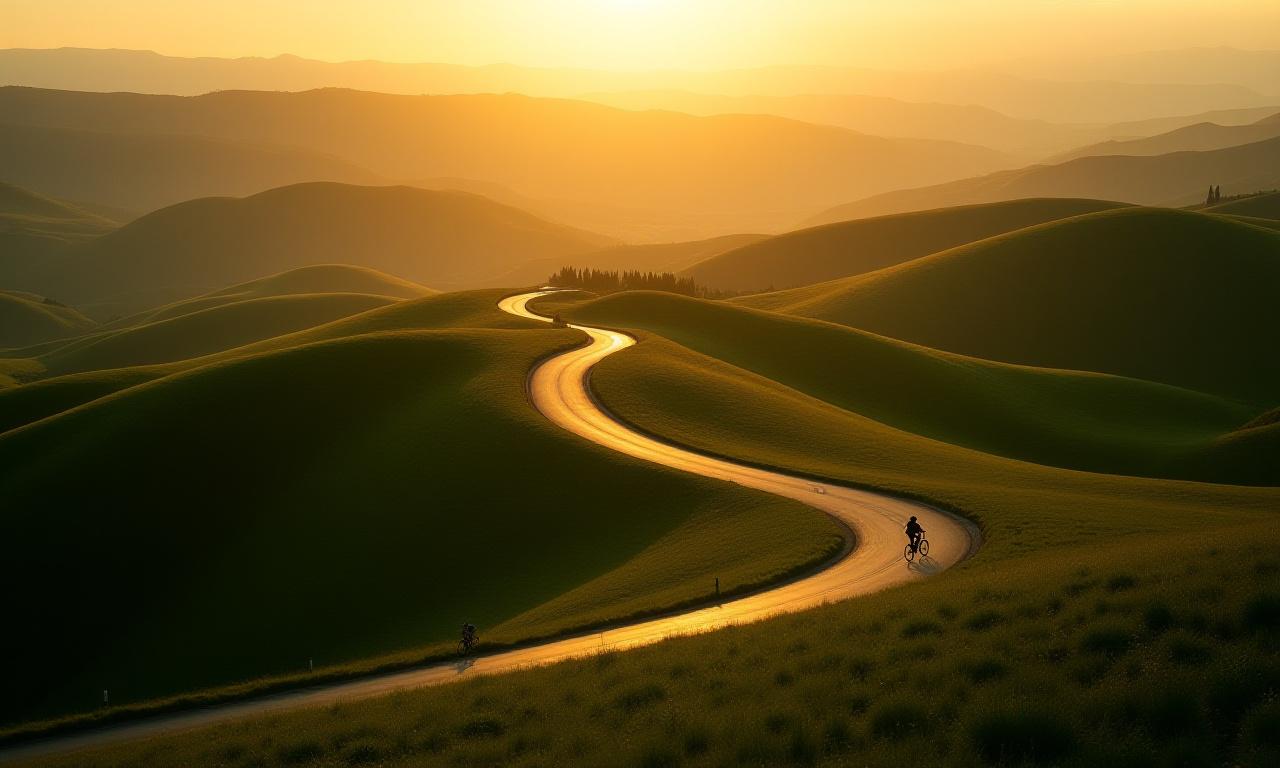
In an era of "checklist tourism," where the goal is to see as many landmarks as possible in 48 hours, a quiet revolution is taking place. Slow Travel isn't just about the speed of transportation; it's a mindset that prioritizes quality over quantity and connection over consumption.
What Makes Slow Travel Different?
Typical tourism is often driven by the "Fear of Missing Out" (FOMO). Slow travel is the antidote. It is about staying in one neighborhood for a week rather than three cities in three days. It replaces the tour bus with a bicycle or a local train, and the hotel breakfast with a visit to the local mercato.
"Slow travel is the art of giving the world the chance to introduce itself to you, rather than demanding it meet your schedule."
The Three Pillars of a Slower Journey
Deeper Connections
By staying longer, you move from being a spectator to a neighbor, forming authentic bonds with locals.
Sustainable Impact
Fewer flights and supporting local businesses means a smaller carbon footprint and a better local economy.
Reduced Stress
Abandon the rigid itinerary. Leave room for the unexpected and the restorative power of rest.
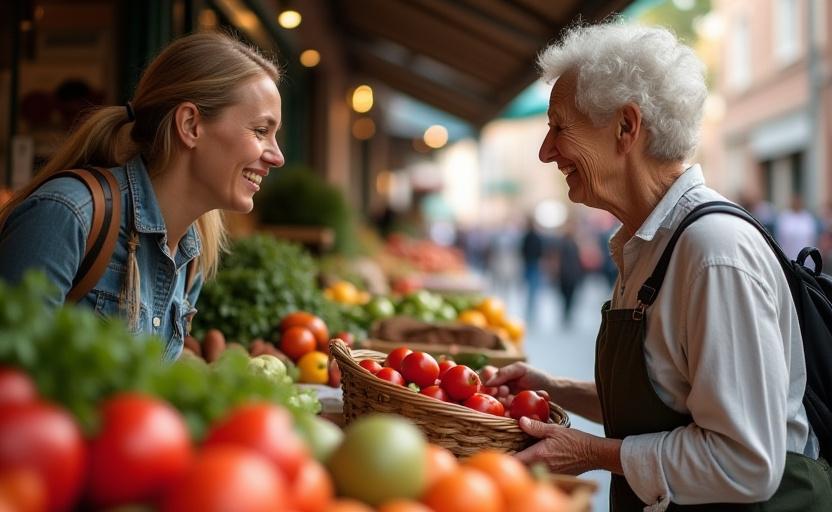
Implementation: Getting Started
- Stay Put: Book an apartment for at least 5-7 days in one location.
- Eat Local: Avoid restaurants with English-only menus. Look for where the locals queue.
- Ditch the Car: Walk, cycle, or use the local tram. The journey becomes the story.
Case Study: A Tale of Two Tuscannys
The Fast Track
Rome (2 days), Florence (2 days), Venice (2 days). Average time spent in transit: 14 hours. Memories: Blurry photos and sore feet.
The Slow Way
7 days in a single villa in Pienza. Morning walks to the bakery, afternoon wine tastings at the neighbor's vineyard. Memories: The name of the baker, the taste of real Pecorino, and a feeling of home.